PAYAM RESEARCH GROUP

RESEARCH THEME 03

Bio-inspired Materials & Structures

Investigation of nature-inspired material architectures and computational approaches to biomedical and engineering applications.

← All research themes

About this research theme

This research theme examines material architectures and structural concepts inspired by biological systems. It includes computational analysis, geometrical design, additive manufacturing and mechanical assessment of engineered structures, with applications including porous scaffolds for bone tissue engineering.

Selected Research Projects

Explore representative research activities, project methods and directly associated research outputs.

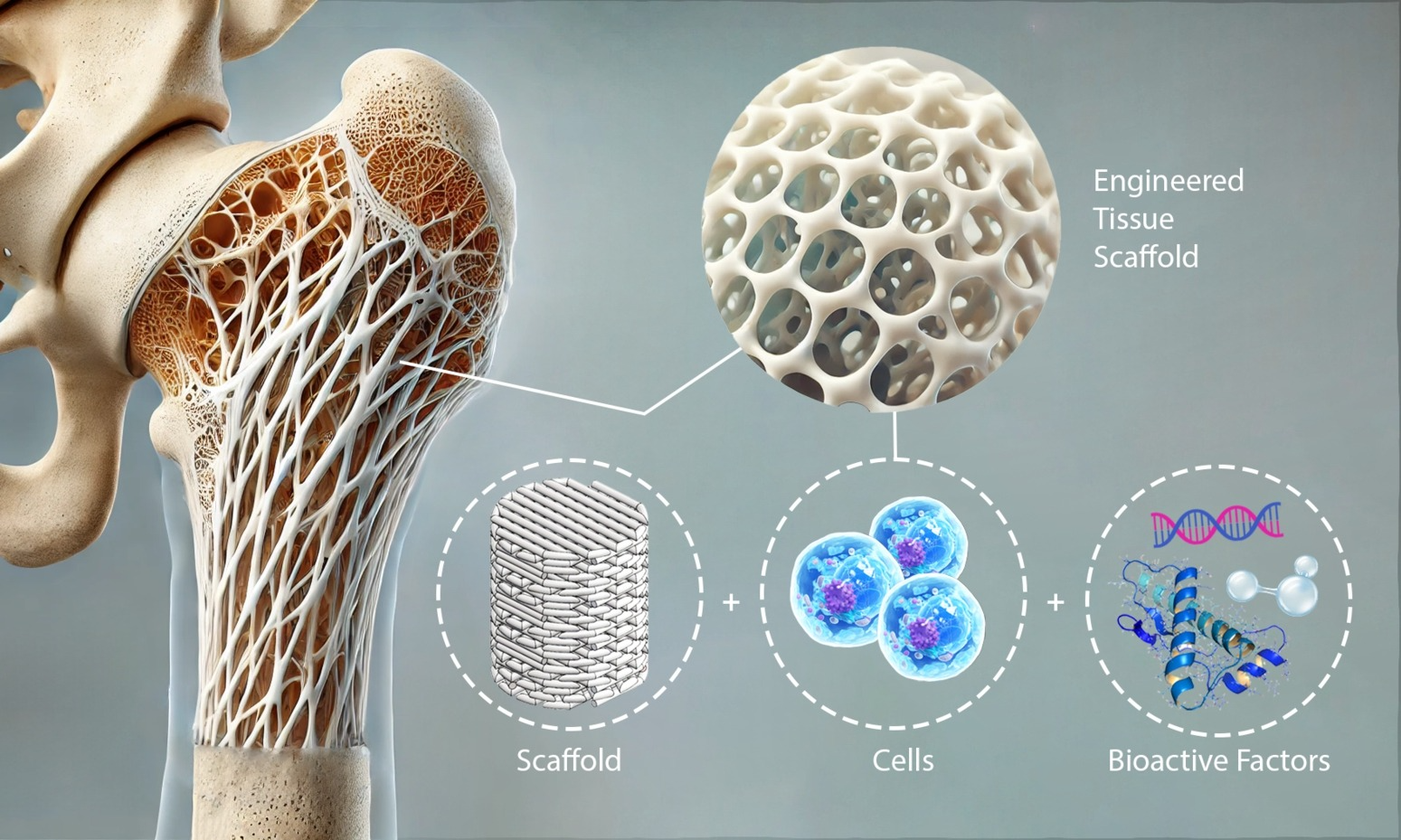
Porous bone tissue scaffold designed for computational and mechanical assessment

Designing engineered bone tissue scafolds.

PROJECT 01Published research

Design and Mechanical Evaluation of Bone Tissue Scaffolds

Computational and mechanical evaluation of porous polymer scaffolds for bone tissue engineering. The work investigates the influence of scaffold geometry, pore characteristics and material selection on mechanical performance in support of biologically relevant design.

Project focus and methodology
  • Scaffold geometry, pore size and porosity
  • Finite-element prediction of mechanical response
  • 3D-printed PLA and related material systems
  • Balancing mechanical and biological design considerations
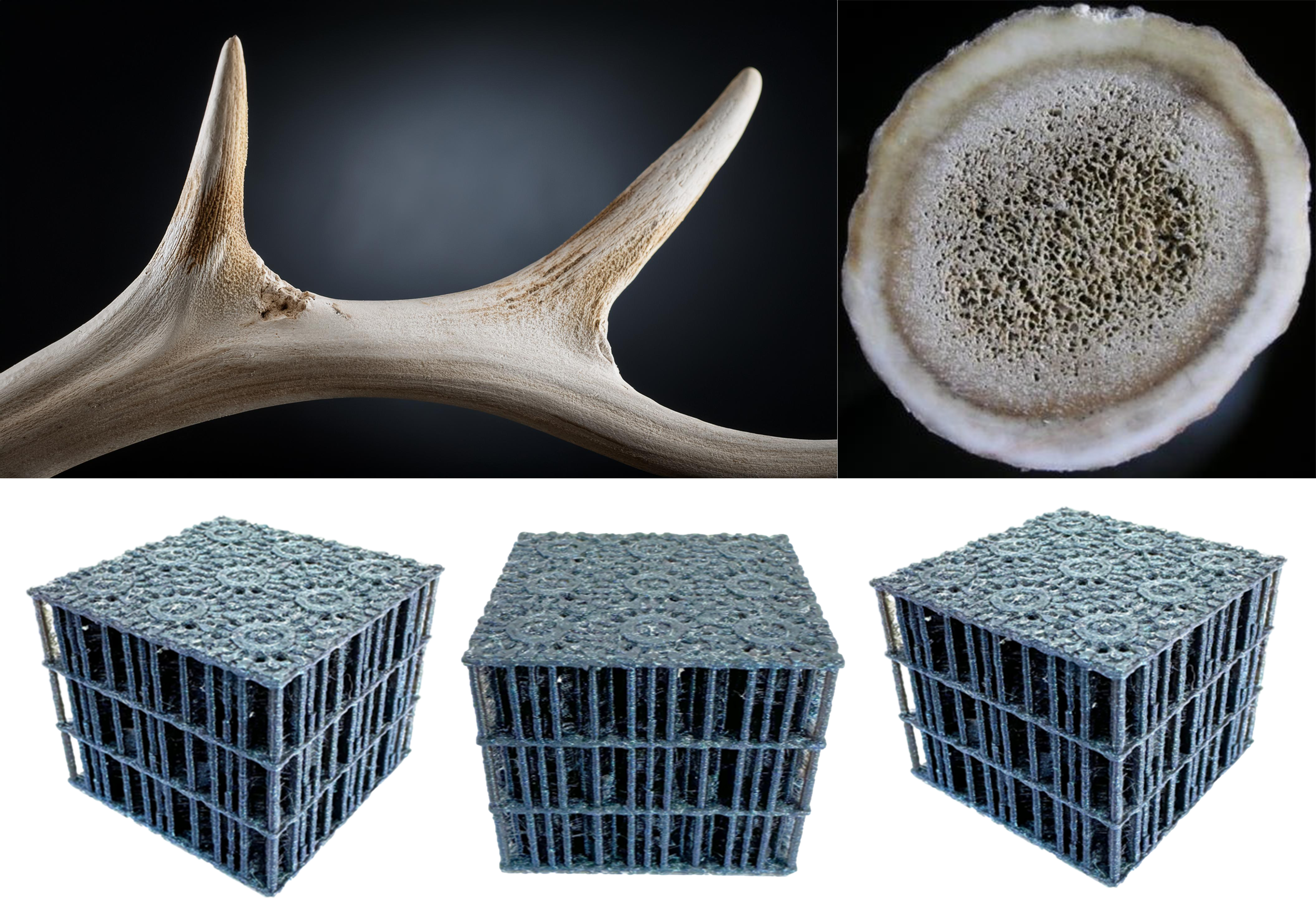
Deer-antler-inspired cellular lattice architecture for aircraft engine-mount applications

Illustration of a deer-antler-inspired cellular architecture for aerospace supports.

PROJECT 02Research study

Deer-Antler-Inspired Cellular Lattice Architectures for Aircraft Engine Mounts

Research into deer-antler-inspired cellular architectures for prospective aircraft engine-mount applications. It explores the relationship between biologically inspired unit-cell design, structural loading and the mechanical behaviour of additively manufactured components.

Project focus and methodology
  • Biomimetic cellular architecture and load paths
  • Computational evaluation of lattice configurations
  • Additive manufacturing and mechanical testing
  • Applications to lightweight aerospace support components
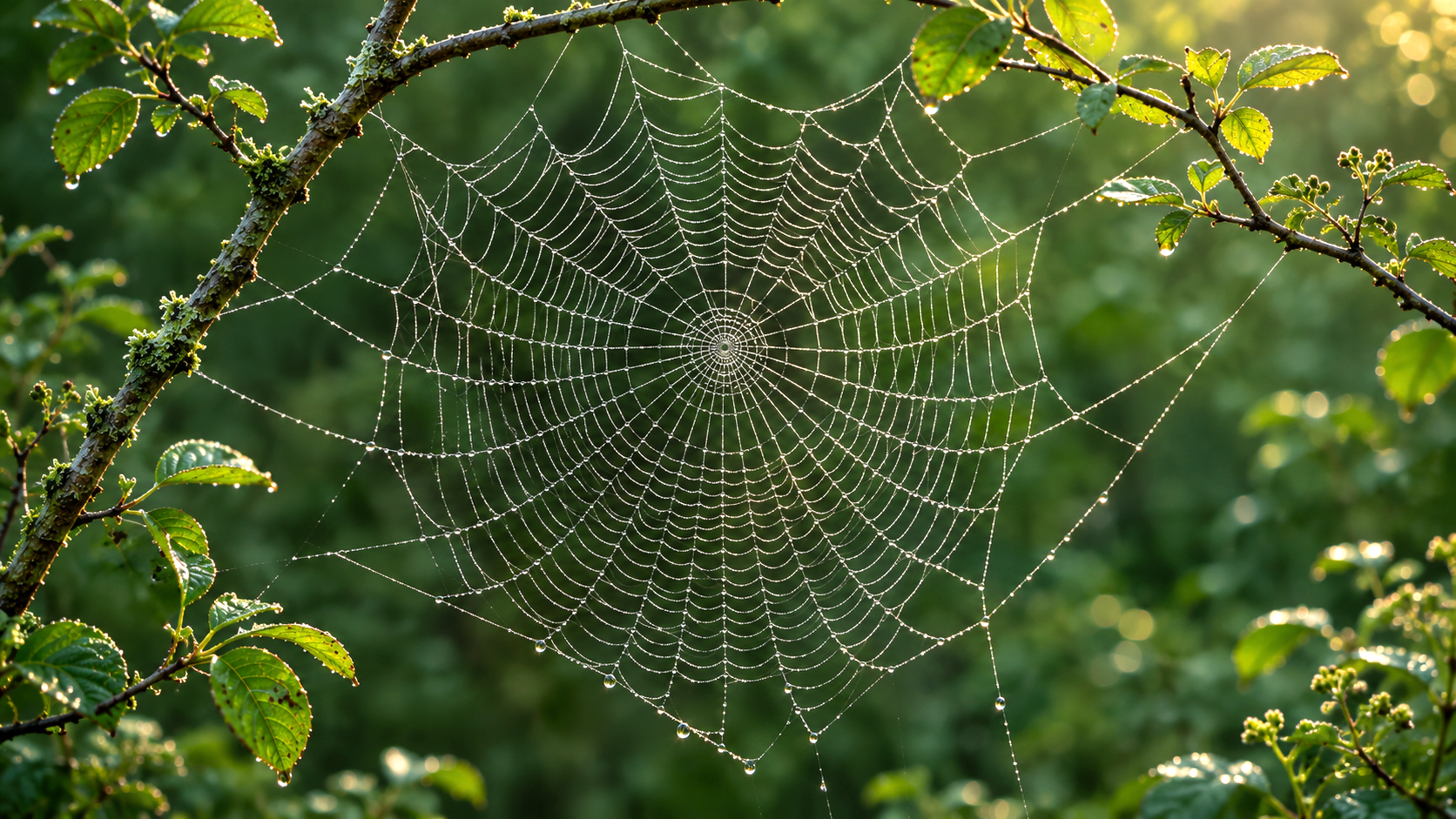
Proposed spider-web-inspired bearing support plate with radial ribs and connecting rings

Preliminary spider-web-inspired support-plate concept; not a validated design.

PROJECT 03Proposed student project

Design and Structural Evaluation of a Spider-Web-Inspired Lightweight Bearing Support Plate

This proposed project will investigate whether spider-web-inspired radial ribs and connecting rings can reduce the mass of a bearing support plate while maintaining sufficient stiffness and limiting displacement, rotation and warping at the bearing interface. A conventional support plate will provide a reference design under the same dimensions, material, loading and support conditions.

Project focus and methodology
  • Review spider-web geometry, load paths and existing support-plate designs
  • Develop and select radial-rib and ring-supported plate concepts
  • Investigate selected rib dimensions and arrangements
  • 3D-print prototypes and compare their measured mass and load–deflection behaviour

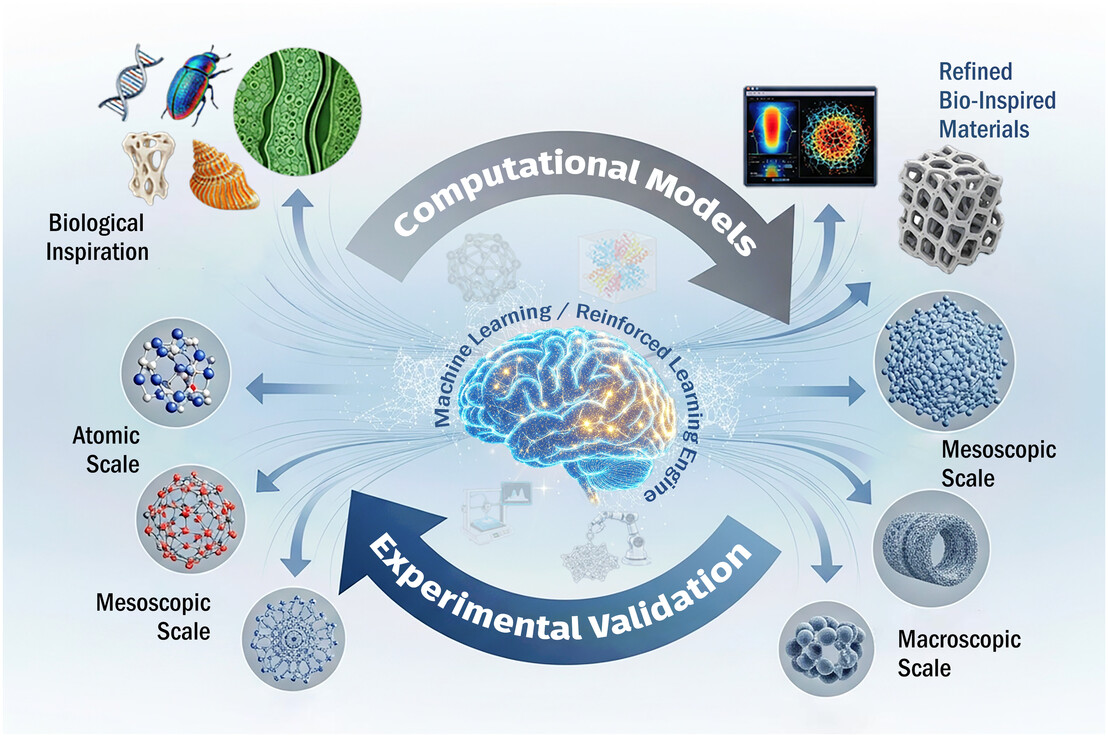
From Biological Inspiration to Computational Design

A conceptual multiscale workflow connecting biological inspiration, computational modelling, data-driven methods and experimental evaluation.

Figure 1: multiscale computational design workflow for bio-inspired materials
Figure 1 from P. Khazaeinejad, “From Biomimicry to Autonomous Design: The Computational Revolution in Bio-Inspired Materials,”Advanced Engineering Materials27 (2025), 2502110. Copyright © 2025 Wiley-VCH GmbH.
Read the published article ↗